简体中文
简体中文  English
  日本語
日本語  한국어
한국어  Français
  Deutsch
  Español
  Português
  Русский
  العربية
  ไทย
ไทย  Tiếng Việt

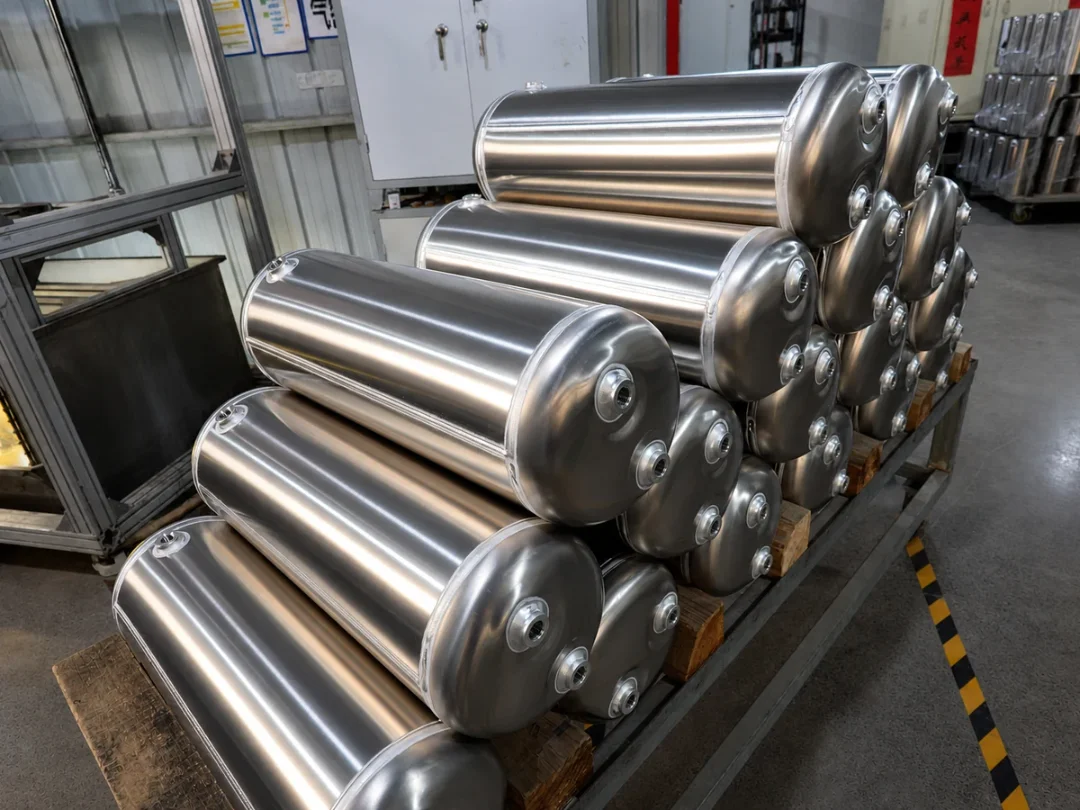
Commercial Vehicles
Key considerations: chassis space, lightweight design, mounting brackets, port orientation, vibration environment and batch consistency.
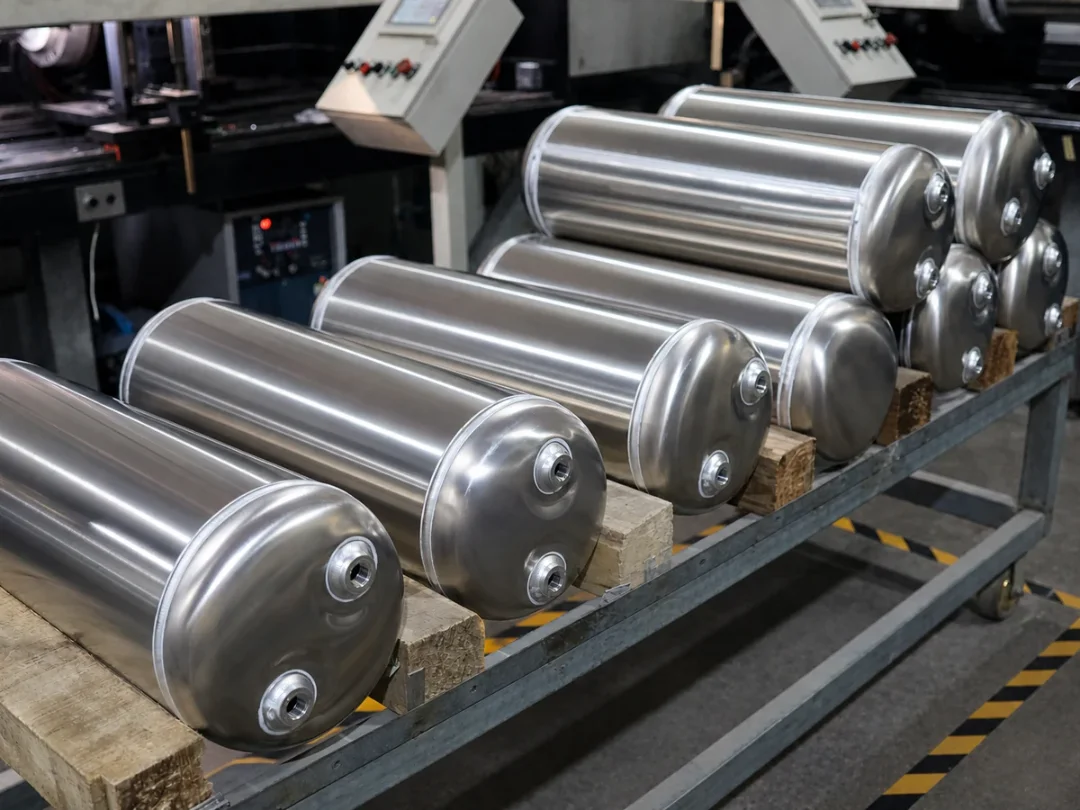
Tank capacity, shell diameter, overall length, port positions and mounting method usually vary with the machine layout. At project start we review manufacturability against your drawings, technical conditions and operating environment before confirming the material, forming, welding, inspection and delivery approach.
Items listed on this page are for preliminary communication only and are not unconfirmed final commitments; specific parameters are governed by the mutually approved drawings, technical agreement and applicable standards.
All four applications share one product family; technical requirements are differentiated by the specific duty cycle and mounting conditions.
Effective volume, shell diameter, overall length, head form and equipment space limits.
Working pressure, design or test requirements, operating temperature and pressure cycling.
Number, size, orientation, position, sealing method and drain ports.
Horizontal or vertical, brackets, band clamps, base and machine assembly datum.
Alloy and temper, wall thickness, internal and external surface, and marking requirements.
Dimensional, appearance, leak, pressure and agreed items, plus batch records.
Production is organized to approved drawings and process documents; key operations retain the necessary process records.
Verify alloy, temper, thickness, surface and batch documents, then cut to process dimensions.
Roll the shell, form the heads, machine openings and locate port fittings for assembly.
Carry out longitudinal, circumferential, port and mounting-part welding to process requirements.
Perform dimensional, appearance, leak and agreed inspections, then complete marking, packing and release.
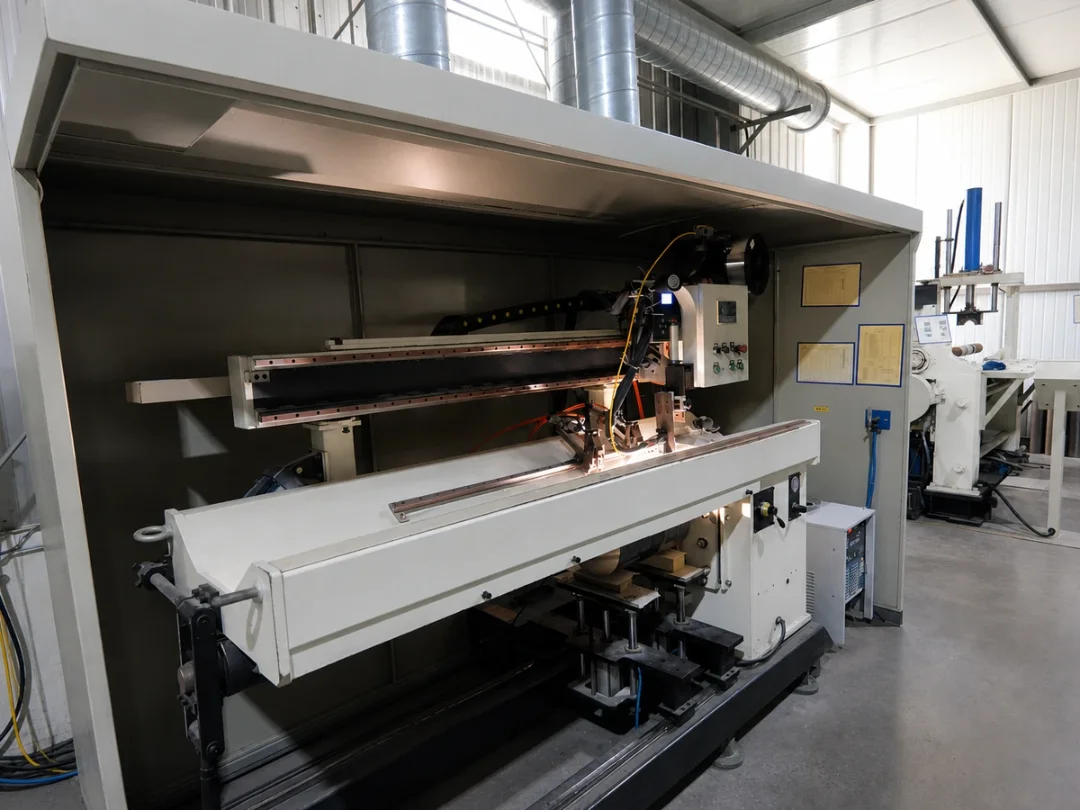
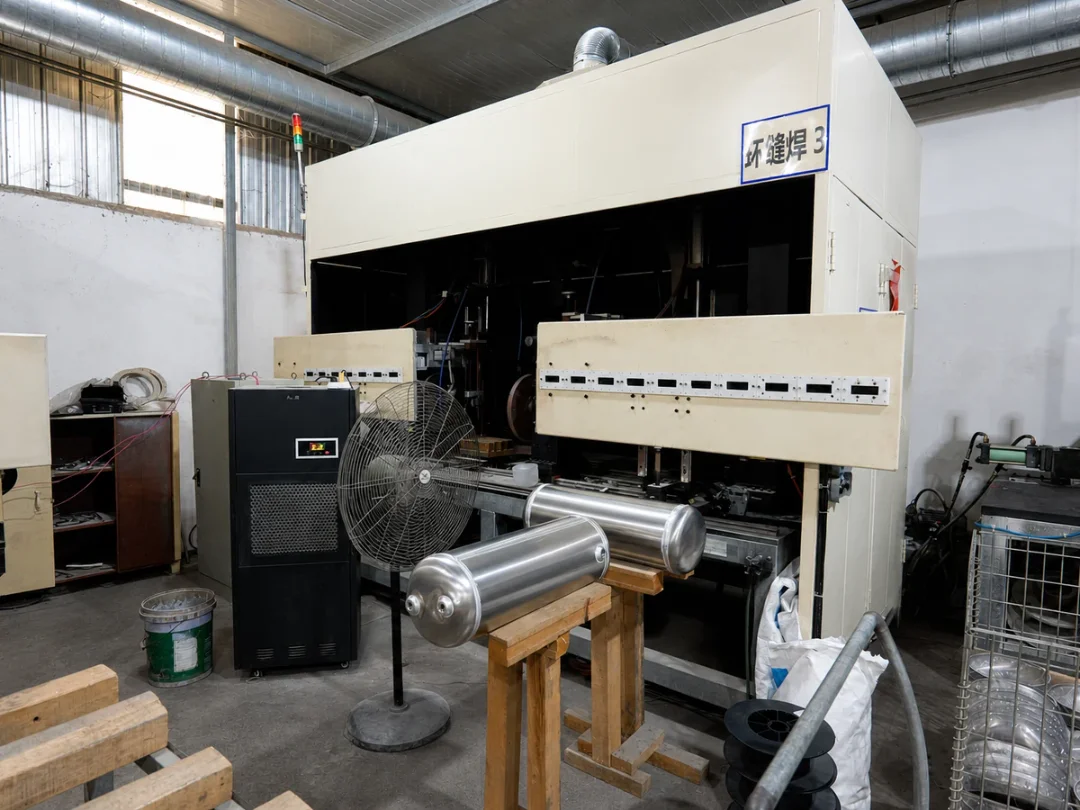
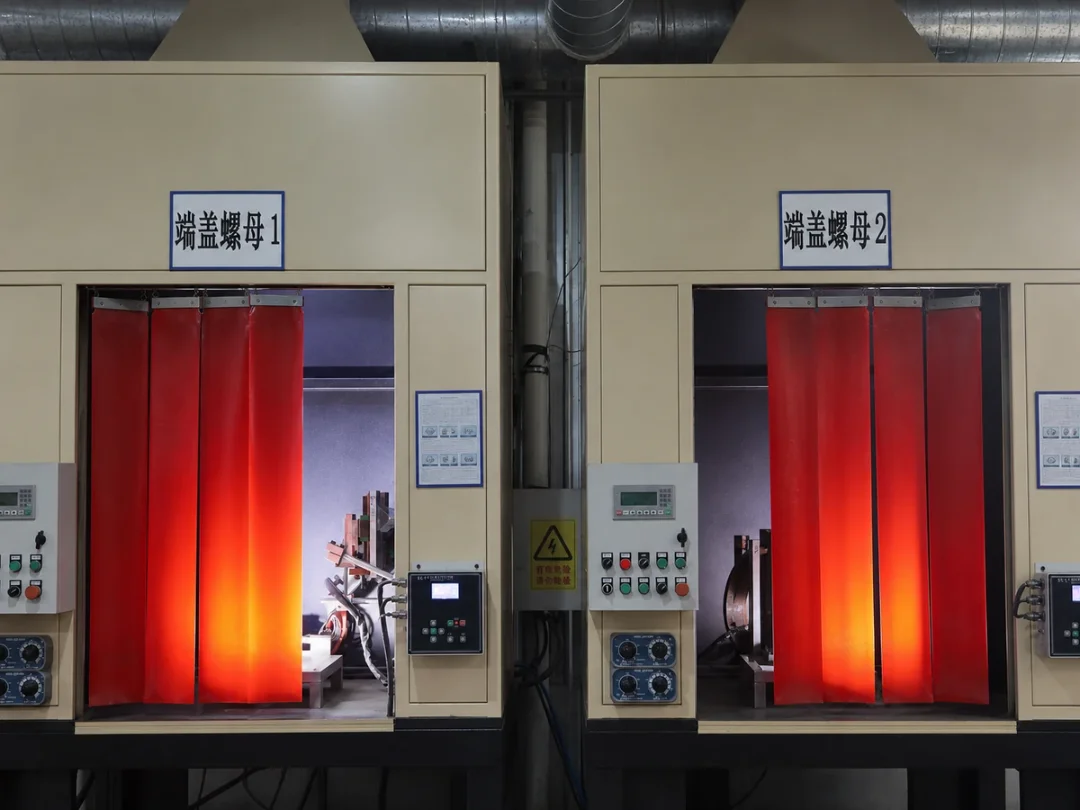
Quality is directly tied to product manufacturing, so it is covered on this page rather than as a separate product column.
Confirm drawing revision, critical dimensions, pressure requirements, ports, mounting datum, inspection items and acceptance method.
Verify alloy, temper, thickness, profile, surface, material documents and batch marking, and handle re-test requirements per agreement.
Check cutting, forming, port location, assembly datum, weld appearance and critical dimensions.
Perform leak, pressure or other agreed verification per confirmed technical requirements, and record conditions and results.
Mark, segregate, review and dispose of anomalies, and analyze causes with corrective action when needed.
Link products, batches and inspection records per project, and confirm packing, protection and accompanying documents before release.
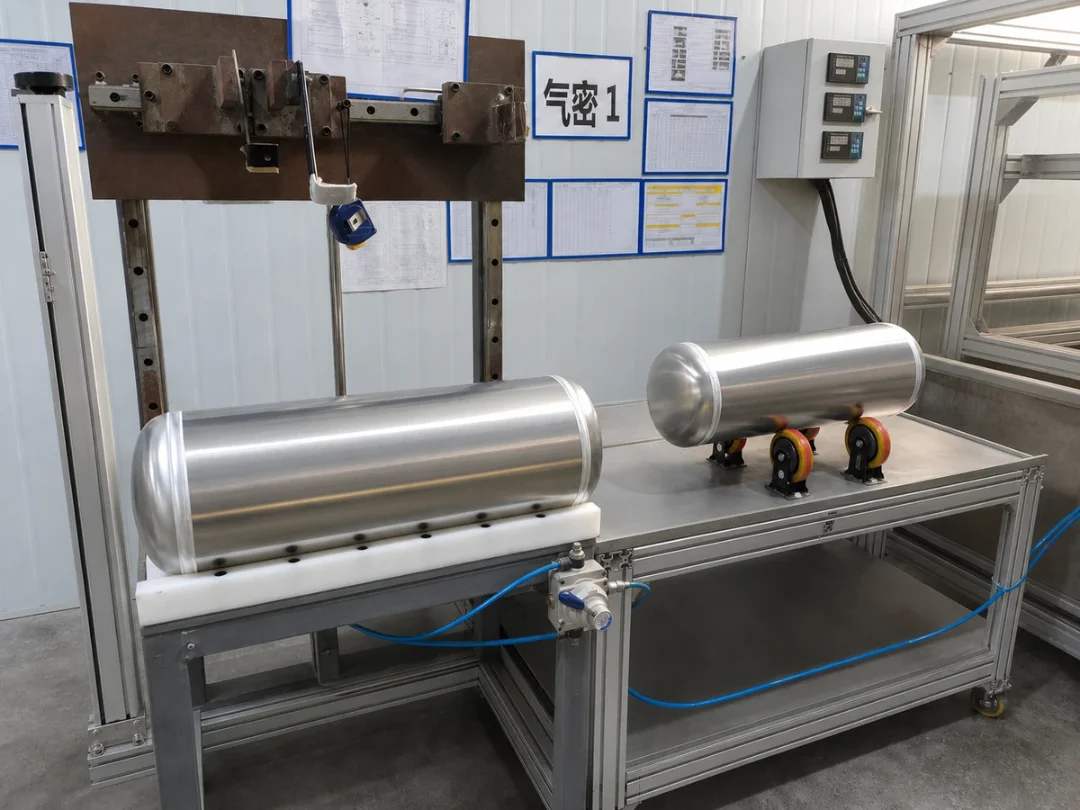
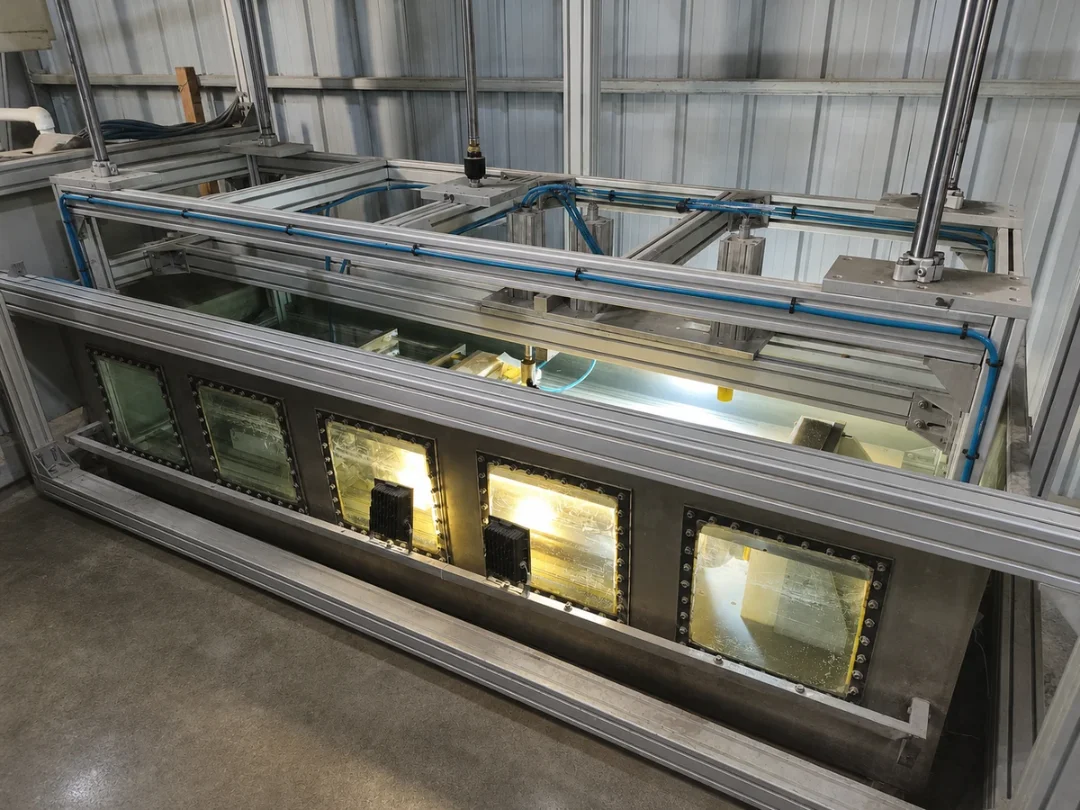
Confirm application, parameters, ports, mounting and acceptance requirements.
Confirm material, structure, process route and inspection plan.
Build prototypes, check assembly and complete agreed validation.
Organize material, tooling, production and inspection per approved requirements.
Carry out final checks, project testing, record organization and release confirmation.
Apply protection and batch delivery according to product, quantity and transport method.
The more complete the information, the easier it is to assess manufacturability, pricing range and project lead time.
We mainly work to drawing and project specifications. Even when a similar existing design exists, it must be re-confirmed against the port, pressure, mounting and acceptance requirements.
Yes. We normally complete the drawing and process review first, then arrange prototype, validation, approval and batch ramp-up.
We can supply agreed material, dimensional, leak or other item records per the technical agreement; document content and format should be confirmed before quoting or ordering.
It depends on drawing maturity, material, tooling, prototype validation, order quantity and inspection requirements, and is confirmed after project review.
Please provide drawings, application, capacity, pressure, acceptance requirements and estimated order quantity.
Customize your cookie preferences. Necessary cookies are always active.